Ever found yourself staring at a flickering light switch or a leaky faucet, debating whether to call an expensive professional or try to fix it yourself? Most homeowners have been there, facing the dilemma of a home repair or improvement project. The allure of tackling it yourself – saving money, learning new skills, and gaining immense satisfaction – is powerful. It’s exactly this spirit of empowerment and practicality that channels like the one in the video above champion, offering a wealth of very good tools and DIY home ideas to inspire your next project.
The journey into DIY home improvement doesn’t have to be daunting. Whether you’re a seasoned enthusiast or just starting to explore the possibilities, understanding the right tools and having a repertoire of creative DIY home ideas can transform your living space and your capabilities. This article will dive deeper into the world of home DIY, building upon the visual inspiration you’ve just seen and providing comprehensive insights to help you get started or advance your skills.
Essential Tools for Every DIY Enthusiast
Every successful DIY project starts with the right equipment. Firstly, investing in a foundational set of reliable tools is paramount for anyone venturing into home improvement. These aren’t just gadgets; they are extensions of your will to create and repair.
The Core Hand Tools
Beginning with hand tools, a robust toolbox is non-negotiable. Think about acquiring a good hammer, a set of screwdrivers (Phillips and flathead in various sizes), a tape measure, a utility knife, pliers, and an adjustable wrench. These items are the workhorses of everyday repairs, enabling you to tighten loose screws, measure accurately for cuts, and handle minor plumbing issues. Furthermore, a level is indispensable for ensuring everything from shelves to picture frames hangs perfectly straight, preventing those frustrating crooked outcomes.
Power Tools That Make a Difference
As your ambition grows, so too might your need for power tools. Moving on, a cordless drill/driver is often considered the first power tool acquisition for many DIYers. Its versatility allows for drilling holes, driving screws, and even mixing paint with the right attachments. Additionally, consider a circular saw for cutting lumber for larger projects, or a jigsaw for intricate cuts and curves. These tools significantly reduce manual effort and improve precision, making more complex DIY home ideas achievable with less strain.
Unlocking Creative DIY Home Ideas
With your tool arsenal ready, the next step is to explore the vast landscape of DIY home improvement projects. These range from quick fixes that improve daily living to more involved undertakings that significantly enhance your home’s aesthetics and functionality.
Quick Fixes and Weekend Warriors
Many impactful DIY home ideas start with simple repairs. For instance, tackling a dripping faucet can save gallons of water and reduce your utility bill. Replacing a worn-out light fixture or installing a new showerhead are also straightforward tasks that can dramatically update a bathroom’s feel. Moreover, weekend projects like painting an accent wall, assembling flat-pack furniture, or installing new door handles offer immediate gratification and noticeable changes with minimal commitment.
Aesthetic Upgrades on a Budget
Another realm of DIY involves transforming your space without breaking the bank. Consider building simple shelving units from reclaimed wood for a rustic look, or repurposing old furniture with a fresh coat of paint and new hardware. Creating a gallery wall with affordable prints and frames, or adding peel-and-stick wallpaper for a temporary decor change, are excellent ways to personalize your home. These creative DIY home ideas demonstrate that significant improvements don’t always require a major financial outlay, only ingenuity and the right tools.
Prioritizing Safety in Your DIY Projects
While the excitement of embarking on DIY home projects is undeniable, safety should always be your top priority. Accidents can happen, but most are preventable with proper precautions and awareness.
Essential Safety Gear
Firstly, always use personal protective equipment (PPE). This includes safety glasses to shield your eyes from debris, gloves to protect your hands from cuts and abrasions, and ear protection when operating loud power tools. Furthermore, a dust mask or respirator is crucial when dealing with fine particles from sanding or cutting materials, protecting your respiratory system from irritants.
Best Practices for Tool Handling
Moreover, understanding how to use each tool correctly is vital. Always read the manufacturer’s instructions before operating new equipment. Ensure your workspace is well-lit and free of clutter to prevent tripping hazards. When using power tools, confirm that all guards are in place and that the tool is properly grounded or double-insulated. Finally, never work when you are tired or distracted, as this significantly increases the risk of accidents. Practicing these safety measures ensures your DIY home ideas come to fruition safely and successfully.
Efficient Tool Storage and Organization
As your collection of tools grows and you engage in more DIY home ideas, effective organization becomes crucial. A well-organized workspace not only makes projects more efficient but also extends the life of your tools.
Maximizing Your Workspace
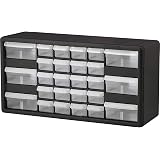
Consider wall-mounted pegboards or magnetic strips for frequently used hand tools, keeping them visible and easily accessible. For power tools, dedicated cabinets or sturdy shelving units prevent damage and keep them out of the way. Labeling drawers or bins for smaller items like screws, nails, and drill bits can save immense time during projects. Ultimately, a designated space for every tool ensures you can find what you need quickly, allowing you to focus on the task at hand rather than hunting for misplaced equipment.
Continuing Your Journey in DIY Home Improvement
The world of DIY home improvement is continually evolving, with new techniques, materials, and creative DIY home ideas emerging regularly. Your journey as a DIY enthusiast is an ongoing process of learning, experimentation, and skill refinement.
Learning Resources and Community
To further develop your abilities, embrace continuous learning. Online resources like the SL sanda YouTube Channel, which likely inspired the video above, offer countless tutorials and project demonstrations. Local workshops, community colleges, and home improvement stores often provide classes on various DIY topics, from basic carpentry to electrical work. Engaging with online forums and communities can also provide valuable advice, troubleshooting tips, and inspiration from fellow enthusiasts. Remember, every project, whether big or small, contributes to your growth and expertise in making your house truly feel like home.
Embracing DIY home ideas, coupled with a well-curated collection of tools, empowers you to transform your living space. From simple repairs to ambitious renovation projects, the satisfaction of doing it yourself is unparalleled. Continue to seek inspiration, perhaps revisiting channels like SL sanda YouTube Channel, and confidently tackle your next home improvement challenge with knowledge and the right tools.
Hammering Out Answers: Your DIY Questions
What is DIY home improvement?
DIY home improvement means fixing or improving things around your house yourself, instead of hiring a professional. It can help you save money, learn new skills, and feel satisfied with your work.
What are some essential hand tools for a beginner?
For beginners, it’s good to have a hammer, screwdrivers (Phillips and flathead), a tape measure, a utility knife, pliers, an adjustable wrench, and a level. These tools are useful for many basic repairs and projects.
What is a good first power tool to buy?
A cordless drill/driver is often considered an excellent first power tool for DIYers. It’s very versatile for tasks like drilling holes, driving screws, and other basic projects.
What kind of simple DIY projects can I start with?
You can start with simple projects like fixing a dripping faucet, replacing a light fixture, painting an accent wall, or assembling flat-pack furniture. These are quick ways to make noticeable improvements.
Why is safety important when doing DIY projects?
Safety is paramount to prevent accidents and injuries while working on DIY projects. Always use personal protective equipment like safety glasses and gloves, and make sure you know how to use your tools correctly.