The accompanying video beautifully illustrates the ingenuity inherent in crafting practical, custom solutions for the culinary space. Witnessing the assembly of these clever **DIY kitchen gadgets** can inspire a profound shift in how one approaches kitchen organization and functionality. Rather than relying solely on mass-produced items, the power to personalize and optimize one’s cooking environment becomes readily apparent.
The modern kitchen, often regarded as the heart of the home, frequently presents challenges related to space, efficiency, and ergonomic flow. Generic tools and storage solutions, while sometimes adequate, rarely provide the bespoke fit required for optimal performance and personal preference. It is in this context that the art of DIY kitchen projects truly shines, offering an avenue for creating innovative, tailored enhancements that streamline daily tasks and elevate the overall culinary experience.
The Philosophy of DIY in the Culinary Space
Engaging in DIY projects for the kitchen transcends mere frugality; it embodies a strategic approach to problem-solving and personalization. When custom solutions are sought, limitations imposed by standard designs are overcome, leading to an environment precisely calibrated to individual needs. Furthermore, the act of creation itself fosters a deeper connection with one’s living space, enhancing both functionality and aesthetic appeal.
Material Selection for DIY Kitchen Projects
The longevity and efficacy of any custom kitchen gadget are heavily reliant on judicious material selection. For items in contact with food, food-grade materials are imperative; stainless steel, treated hardwoods, and specific plastics (e.g., BPA-free polypropylene) are often considered. For structural components or organizational aids, options such as plywood, acrylic, or even repurposed materials like sturdy cardboard (properly reinforced and sealed) can be employed. Durability, ease of cleaning, and resistance to moisture or heat must all be carefully evaluated. For instance, a bespoke knife block might be crafted from dense hardwood, while a custom drawer divider could utilize lighter bamboo or PVC sheets, cut to precision.
Ergonomics and Design Principles for Custom Gadgets
The efficacy of **DIY kitchen gadgets** is also significantly bolstered by an understanding of basic ergonomic principles. A well-designed tool or storage system should reduce strain, minimize unnecessary movement, and enhance workflow. Considerations such as reach, grip comfort, and the natural movements of the body during cooking or cleaning are paramount. For example, a custom-designed spice rack that angles bottles for easier visibility or a mobile prep station that adjusts to counter height can drastically improve user experience. The aim is always to create a tool that not only performs its function but does so effortlessly and intuitively.
Crafting Bespoke Culinary Tools: Beyond the Generic
The scope for custom **kitchen life hacks** is virtually limitless, spanning from simple organizational aids to more complex multi-functional tools. The key lies in identifying common pain points or inefficiencies within one’s own kitchen routine and then conceiving practical solutions that can be fabricated with basic tools and materials.
Innovative Storage Solutions
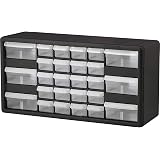
Storage is frequently cited as a significant challenge in kitchen design. Custom drawer organizers, specifically tailored to the dimensions of utensils, flatware, or baking tools, prevent clutter and facilitate quick access. Similarly, vertical storage solutions, such as wall-mounted spice racks, pot lid holders, or even custom shelving built into unused nooks, maximize cubic space. Under-sink pull-out shelves or tiered organizers, often overlooked in standard kitchen setups, can be fabricated to fit precise dimensions, transforming chaotic areas into highly functional storage zones. An estimated 60% of kitchen users report issues with insufficient or inefficient storage, making these DIY endeavors particularly impactful.
Enhanced Food Preparation Aids
Many food preparation tasks can be made simpler and safer with purpose-built tools. Consider a custom-fit cutting board with integrated containers for chopped ingredients, or a dedicated holder for grater attachments that secures the device while in use. Specialized vegetable slicers or mandoline guides, often constructed from wood or rigid plastic, can ensure uniform cuts and protect fingers. Even a simple, weighted pestle holder for a mortar can prevent it from rolling away, illustrating that even minor adjustments contribute to overall culinary efficiency.
Smart Organizational Enhancements
Beyond traditional storage, modern kitchens often benefit from clever organizational hacks for technology and small appliances. A charging station for kitchen tablets or phones, seamlessly integrated into a cabinet or backsplash, keeps devices powered and off the counter. Cable management solutions for stand mixers or coffee makers can minimize visual clutter and improve safety. Furthermore, custom-designed caddies for cleaning supplies, positioned strategically under the sink or in a utility cabinet, ensure that everything is in its designated place, ready for immediate use.
The Practical Impact of Custom Kitchen Solutions
The integration of **DIY kitchen gadgets** yields a cascade of practical benefits, improving not only the efficiency of cooking but also the overall ambiance of the kitchen environment. These enhancements are not merely superficial; they represent a fundamental improvement in how the space functions.
Improved workflow is a primary advantage. When every tool has a designated, easily accessible home, and every prep task is supported by a bespoke aid, movements become more deliberate and less wasteful. This leads to demonstrable time savings during meal preparation and cleanup. Moreover, a kitchen that is logically organized and equipped with personalized tools often contributes to reduced stress levels, transforming cooking from a chore into a more enjoyable activity. Studies suggest that an organized kitchen can reduce cooking time by up to 20% for regular users.
Reduced clutter and enhanced aesthetics are additional significant gains. Custom solutions can often reclaim valuable counter space, creating a more open and inviting atmosphere. When items are stored efficiently and thoughtfully, the kitchen naturally appears cleaner and more sophisticated. The sense of accomplishment derived from building something functional and beautiful also adds a unique personal touch to the home decor.
Furthermore, the spirit of DIY frequently aligns with sustainable practices. Repurposing materials, such as old cutting boards into utensil holders or discarded wooden crates into pantry organizers, minimizes waste and promotes an eco-conscious lifestyle. This not only contributes to environmental stewardship but also offers a cost-effective alternative to purchasing new items.
Implementing Your Own Kitchen Life Hacks
Embarking on the creation of custom kitchen gadgets begins with careful observation. Identify specific pain points: Is there a drawer that is perpetually messy? A utensil that is always hard to find? A prep task that feels unnecessarily cumbersome? Once these challenges are identified, sketching out potential solutions, however rudimentary, is an excellent first step. Consider the materials available, the tools at hand, and the safety precautions necessary for working with them. Basic woodworking, plastic cutting, or even simple assembly techniques can unlock a world of bespoke **DIY kitchen gadgets**.
Stirring Up Solutions: Your DIY Kitchen Gadget Q&A
What are DIY kitchen gadgets?
DIY kitchen gadgets are custom-made tools or organizational solutions for your kitchen that you create yourself. They help personalize your cooking space and solve specific problems.
Why should I make my own kitchen gadgets?
Making your own gadgets allows you to create solutions tailored to your specific needs, improving efficiency, organization, and the overall functionality of your kitchen beyond what mass-produced items offer.
What types of DIY kitchen projects can I create?
You can create various items like custom storage solutions (drawer organizers, spice racks), aids for food preparation (specialized cutting boards), and smart organizational enhancements (charging stations or cleaning caddies).
What kind of materials should I use for DIY kitchen gadgets?
For items that touch food, use food-grade materials like stainless steel or treated hardwoods. For other parts, you can use materials such as plywood, acrylic, or even repurposed sturdy cardboard, considering durability and ease of cleaning.