Unlocking the Power of Easy Home Repair Tips
Many common household issues can be addressed with simple, innovative methods that are often overlooked. Mastering a few key **house repair life hacks** can transform daunting tasks into quick wins, boosting your confidence in your DIY abilities. Let’s dive deeper into some of these ingenious strategies, expanding on the clever ideas presented in the video and adding even more practical advice.Screwing into Wood? Try a Bar of Soap!
One of the most common frustrations in home repair is driving screws into hardwood or dense materials. The video wisely suggests using hard soap, and this simple trick is incredibly effective. A dry screw can experience significant friction as it penetrates the wood, making it difficult to drive in straight or fully seat. By simply rubbing the threads of a screw on a bar of hard soap, you create a thin, lubricating film. This significantly reduces the friction between the screw and the wood fibers, allowing the screw to glide in much more smoothly with less effort. This method not only eases the physical strain but also reduces the risk of stripping the screw head or even splitting delicate wood. Consider this **home repair tip** for furniture assembly, cabinet installation, or any project involving wooden materials.Cutting Tile Made Easy: The 2-Hour Soak Strategy
Working with ceramic or porcelain tile can be challenging, as these materials are notoriously brittle. The video’s suggestion to soak tiles in water for two hours before cutting is a brilliant **DIY house repair** strategy. This technique isn’t just a random act; it leverages the material properties of the tile. Soaking the tile allows it to absorb water, which can subtly reduce its inherent brittleness and make it slightly more pliable. This increased flexibility minimizes the chances of the tile cracking or shattering when pressure is applied by a glass cutter. After its two-hour bath, a tile can be scored and snapped with greater precision and less risk of breakage, ensuring cleaner cuts for your tiling projects. Always wear appropriate safety gear, such as gloves and eye protection, when cutting tiles.Neodymium Magnets: A DIYer’s Best Friend
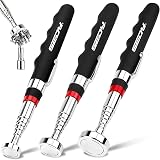
The video briefly highlights neodymium magnets, and their utility in **house repair life hacks** is vast. These incredibly strong magnets are far more powerful than traditional ferrite magnets of the same size. For a DIY enthusiast, a small collection of neodymium magnets can be invaluable for various tasks. Imagine dropping a tiny screw or a drill bit into a hard-to-reach crevice; a neodymium magnet attached to a stick or string can retrieve it instantly. They are also excellent for temporarily holding metal components in place while you work, such as during delicate wiring jobs or securing screws that are tricky to start. Beyond retrieval, these magnets can be used to find studs behind drywall (by detecting the metal screws holding the drywall), keep small tools organized, or even create custom magnetic closures for cabinet doors.The Box Method: Keeping Paint Mess-Free Indoors
Painting indoors can often lead to frustration from drips, splatters, and overspray, especially when painting small items or intricate areas. The video’s suggestion of using a box to contain your painting area is an incredibly practical **painting hack**. This simple setup acts as a mini spray booth, effectively preventing paint from landing on unwanted surfaces. To maximize its effectiveness, ensure all cracks and openings in the box are sealed, as recommended. This prevents fine paint mist from escaping and settling on furniture or flooring. For larger items, you might consider creating a temporary plastic sheeting enclosure, similar to the box concept, to protect your surroundings. Thorough preparation, including taping off areas and covering surfaces, is paramount for a clean finish in any painting project.Expanding Your Home Repair Toolkit with More Ingenious Hacks
Beyond the specific tips in the video, many other clever strategies exist to simplify common **household maintenance** issues. Incorporating these **easy fixes** into your routine can save significant time and money.Rubber Band for Stripped Screws
A stripped screw head is a common bane for DIYers, making removal almost impossible with a standard screwdriver. Instead of drilling it out, try placing a wide rubber band over the screw head before inserting your screwdriver. The rubber provides extra grip between the driver and the screw, often allowing you to back out the stubborn fastener. This **tool hack** is a game-changer when dealing with worn screw heads, preventing the need for more drastic, potentially damaging removal methods.Silence Squeaky Doors and Floors
Squeaky hinges on doors can be irritating, but the fix is remarkably simple. A few drops of lubricant, such as WD-40 or silicone spray, applied directly to the hinge pins, will often resolve the issue. Open and close the door a few times to work the lubricant in. For squeaky floorboards, the cause is usually wood rubbing against wood or a nail rubbing against a joist. Sprinkling a little talcum powder into the cracks between floorboards can reduce this friction and quiet the noise.Unclog Drains Naturally
Before reaching for harsh chemical drain cleaners, try a natural approach for slow-draining sinks. Pour half a cup of baking soda down the drain, followed by half a cup of white vinegar. The chemical reaction creates fizzing action that can break down minor clogs from grease and hair. Let it sit for 30 minutes to an hour, then flush with hot water. This **eco-friendly repair** is safer for your pipes and the environment.Small Drywall Holes? Toothpaste Can Help
For tiny nail holes or minor scuffs in drywall, you don’t always need a full patching kit. A dab of white toothpaste can serve as a temporary filler. Apply a small amount to the hole, smooth it with your finger or a putty knife, and let it dry. While not a permanent structural fix, it’s a quick and easy way to make small imperfections disappear, especially if you’re looking for a swift aesthetic improvement.Tightening Loose Cabinet Hinges
Cabinet doors that hang askew or feel wobbly are a common occurrence. Often, the screw holes for the hinges become enlarged over time. To fix this, remove the screw, insert a toothpick (or a small wooden dowel) with a dab of wood glue into the hole, and let it dry. Once dry, snap off the excess toothpick, and reinsert the screw. The toothpick provides new material for the screw threads to grip, effectively tightening the hinge. This specific **house repair life hack** dramatically extends the life and functionality of your cabinetry. These **house repair life hacks** demonstrate that many common household problems can be tackled with ingenuity and basic supplies. By understanding the principles behind these simple solutions, you can approach your home maintenance tasks with greater confidence and efficiency.Your House Repair Hacks: Questions Answered
How can I make it easier to drive screws into wood?
Rub the threads of the screw on a bar of hard soap before driving it. This lubrication reduces friction, allowing the screw to go into the wood more smoothly with less effort.
What is a simple way to prevent paint messes when painting indoors?
Use a cardboard box as a temporary painting enclosure. This ‘box method’ helps to contain paint drips, splatters, and overspray, keeping your surrounding area clean.
What should I do if a screw head is stripped and I can’t remove it?
Place a wide rubber band over the stripped screw head before inserting your screwdriver. The rubber provides extra grip between the driver and the screw, often allowing you to back it out.
How can I fix a squeaky door hinge?
Apply a few drops of lubricant, such as WD-40 or silicone spray, directly to the hinge pins. Open and close the door a few times to help the lubricant work in and silence the squeak.